






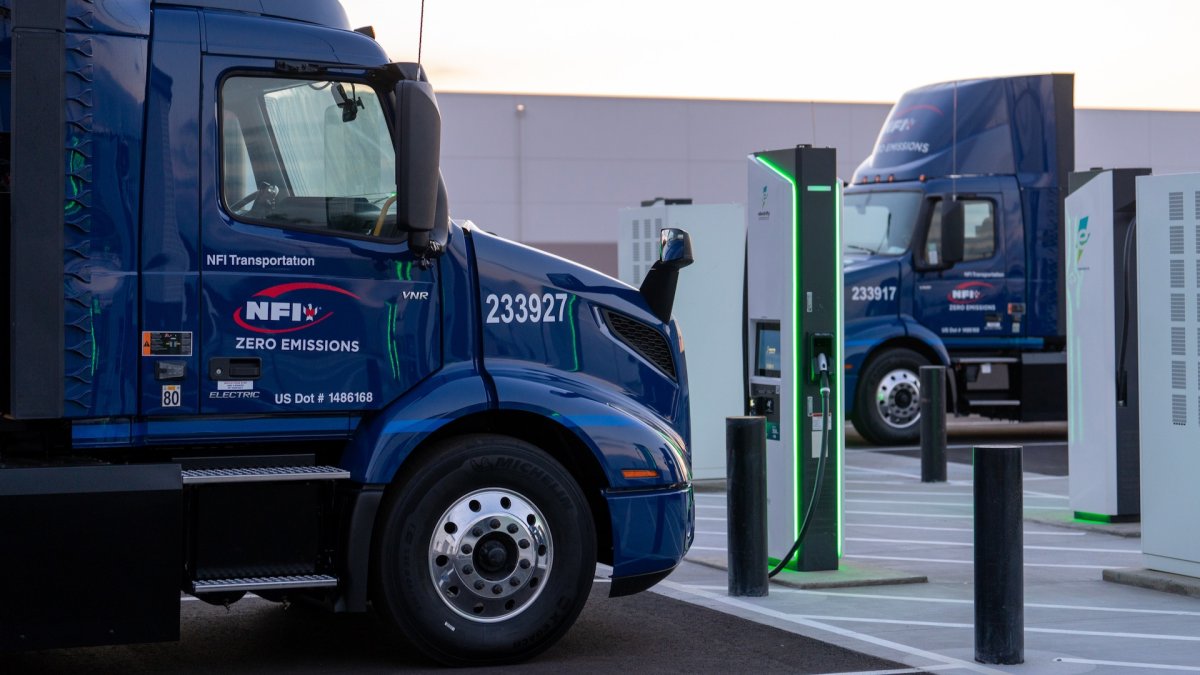
When it comes to reducing emissions, regulators need to look beyond passenger cars. Commercial trucks cover a lot more mileage than the average privately owned car, often with much higher tailpipe emissions. Once again, it’s California—the state with the highest levels of EV sales—that’s leading the way in incentivizing electric semi trucks and other commercial vehicles. And it’s using a familiar tool that’s helped boost electric-car sales.
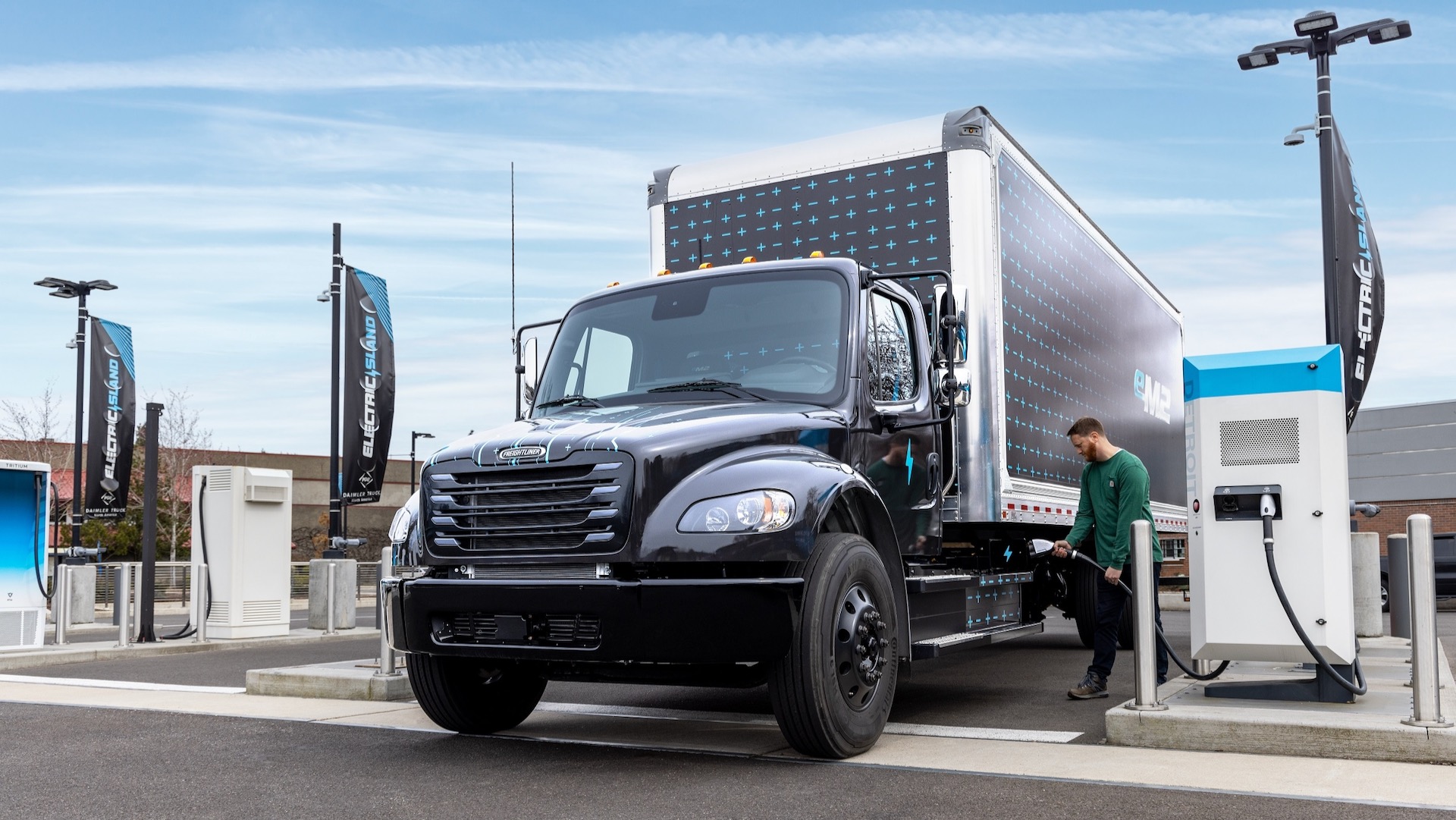
On May 13, the California Air Resources Board (CARB)—which oversees the state’s emissions rules and EV incentive programs—announced a $1 billion rebate program for electric trucks. It’s called the California Clean Fuel Rewards program, but it’s not to be confused with a rebate program for light-duty vehicles that was phased out a few years ago. This time, the rebates will go to medium-duty and heavy-duty vehicles. Starting June 26, fleet buyers will get $7,500 to $120,000 for the purchase of a battery-electric vehicle, with the rebate amount increasing based on vehicle size.
There is a bit of fine print. The lowest rebate of $7,500, which applies to Class 2B vehicles like pickup trucks, can only be claimed by public fleets. And while California has played host to demonstrations of hydrogen fuel-cell semis—such as the “Project Portal” drayage operation at the Ports of Los Angeles and Long Beach run by Toyota and PACCAR (parent company of Peterbilt and Kenworth)—this rebate is limited to new battery-powered trucks. Hybrids, used vehicles, and battery-electric motorcycles do not qualify. But CARB emphasizes that the range of classes covered (2B-8) includes most commercial vehicle types like semis, box trucks, and delivery vans.
Fleets purchasing a qualifying vehicle will get their rebate at the point of sale, though, rather than having to apply for it separately. A 2022 study found that buyers preferred this method for passenger cars, so perhaps that will also drive more interest in electric-truck purchases in California. The state is currently signing up dealers to offer the rebate ahead of its June 26 launch.

The program is funded by revenue from California’s Low Carbon Fuel Standard. Established in 2009, it sets targets for the lifecycle emissions (including those associated with production and transportation) of fuels powering the cars and trucks on California’s roads. Companies that don’t meet those targets must purchase credits to account for the difference, similar to what automakers had to do for emissions before the current Trump Administration decided to stop enforcing the rules. CARB expects $250 million to be available for EV rebates this year, with a total of $1 billion through 2030.
The Clean Fuel Rewards program joins the Clean Truck and Bus Voucher Incentive Project, which California claims has given $1 billion to fund 11,600 “clean” vehicles (including battery-electric and hydrogen) across 2,000 fleets in the state. The two programs will help push California toward a goal, announced in 2020, of 100% zero-emission truck sales by 2045. CARB claims 23% of medium- and heavy-duty truck sales in California were zero-emission in 2024, more than double the state’s target. But there’s still a long way to go to meet that 2045 goal.
Read the full article here


